Understanding Human Emotions
Emotions are essential for navigating our daily lives, acting as a compass that guides our decisions, relationships, and overall well-being. Yet, despite their importance, emotions are inherently complex and often difficult to fully understand. Misinterpretations of our own feelings or those of others can lead to communication breakdowns. It can also challenges our personal and professional lives. In this blog post, let’s have a crash course on the biological, psychological, and social factors that shape our emotional experiences. The interaction of these three dimensions helps us to understanding human emotions.
The Biological Basis of Emotions
- Neurological Aspects
At the heart of our emotional experience is the brain, which orchestrates our feelings through intricate networks and areas dedicated to emotional processing. The key players include:
- The Amygdala: often referred to as the center of our emotional responses, the amygdala plays a crucial role in processing fear, pleasure, and aggression.
- The Prefrontal Cortex: This area governs higher-order functions, including decision making and emotional regulation. It balances raw feelings with rational thought.
- The Hippocampus: This area helps us retain emotional memories that influence how we react to similar situations in the future. That’s why it is integral in memory formation.
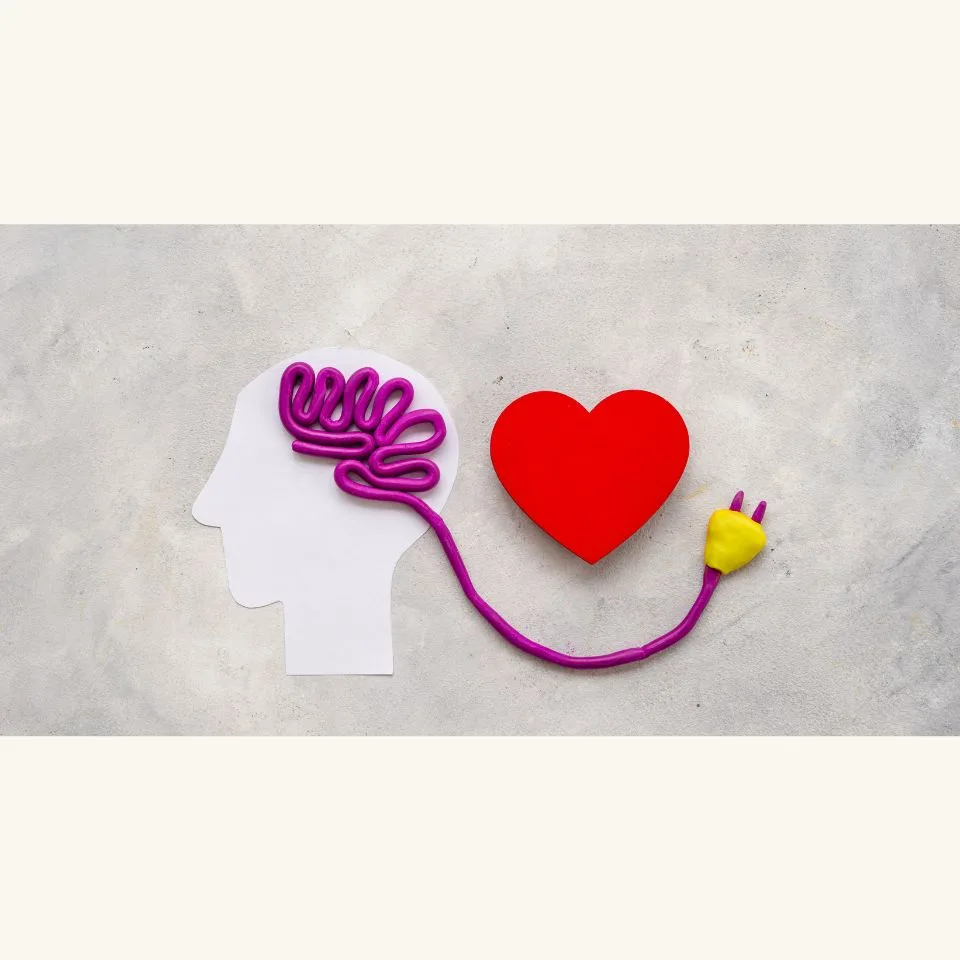
For those who find these biological terms daunting, here’s a simpler way to put it: our brain acts as a control center, managing the emotions we experience in response to the world around us.
- Chemical influences
Our brains communicate internally via neurotransmitters and hormones, which can be thought of as the messengers of emotion:
- Neurotransmitters such as Dopamine and Serotonin: These chemicals play significant roles in mood regulation. Dopamine is often linked with the pleasure system of the brain, enhancing feelings of enjoyment and motivation, while serotonin is crucial for mood balance.
- Hormones like Cortisol and Oxytocin: Cortisol is known as the stress hormone, influencing our response to stress and anxiety. Oxytocin, often dubbed the ‘love hormone’, plays a key role in forming social bonds and enhancing feelings of love and trust.
- Genetic Factors
Our genetic makeup also plays a role in shaping our emotional landscape. Genetics can determine our temperament and our susceptibility to emotional disorders. For example, some people may be genetically predisposed to experience higher levels of anxiety or find it easier to experience joy. This genetic backdrop can influence how we perceive and react to emotional stimuli.
Understanding Human Emotions through Psychological Perspectives
To fully understand human emotions function from a psychological standpoint, it’s beneficial to explore the foundational theories and concepts developed by scholars over the years. One significant theory is the James-Lange Theory, which said that emotions result from our physiological responses to external stimuli. According to this theory, we don’t cry because we feel sad; instead, we feel sad because we cry. This perspective emphasises the body’s role in shaping emotional experiences and suggests that changes in our physical state can influence our emotional state. There are many other theories that may helps us to understand emotions.
Another key concept in understanding emotions is Emotional Intelligence (EI). EI is the ability to perceive, control, and evaluate emotions—both in ourselves and others. This skill is crucial in managing personal and professional relationships, as well as in fostering social communication and reducing stress. For further reading on how emotional intelligence guides our relationships, click here.
Cognitive Appraisals also play a pivotal role in how we interpret and react to the world around us. This concept refers to the personal interpretation of a situation that ultimately influences one’s emotional response. Our appraisal of a stressful exam, for example, can lead to a wide range of emotional responses, from anxiety to motivation, depending on whether we perceive it as a threat or a challenge.
Social and Cultural Influences
Emotions are not only shaped by biological and psychological factors but are also deeply influenced by our social environment and cultural background. Cultural Differences in emotional expression are profound; for instance, some cultures might encourage the open expression of emotions like sadness and joy, while others might discourage such displays. Understanding these differences is crucial for interpersonal interactions and communication in our increasingly globalized world.
Social Relationships also significantly impact our emotional health. The support systems we build with friends, family, and partners can provide resilience against mental health challenges or, conversely, can contribute to emotional distress. How we relate to others can amplify or dampen our emotional experiences based on the level of empathy and understanding we receive from those around us.
Lastly, the Role of Environment is a crucial factor in emotional development. Factors like upbringing, education, and community can have long-lasting effects on how individuals process and express emotions. For instance, a supportive family environment might foster high emotional intelligence, whereas a hostile or neglectful environment might impede emotional development.
Conclusion
Understanding human emotions work is a fundamental step towards personal growth. By grasping how biological, psychological, and social factors shape our emotional landscape, we became better equipped. We can succeed in managing our own feelings and interact more effectively with others. This knowledge not only enriches our personal lives but also enhances our relationships, allowing us to communicate more empathetically and respond more adaptively to those around us. In essence, delving into the science of emotions opens the door to a deeper self-awareness and fosters healthier, more resilient connections with others, laying the foundation for a fulfilling and emotionally intelligent life.
The Haptic Room is supported by our readers. Our site may contain links to affiliate websites, and if you make a purchase through these links, we receive a commission to support our site.